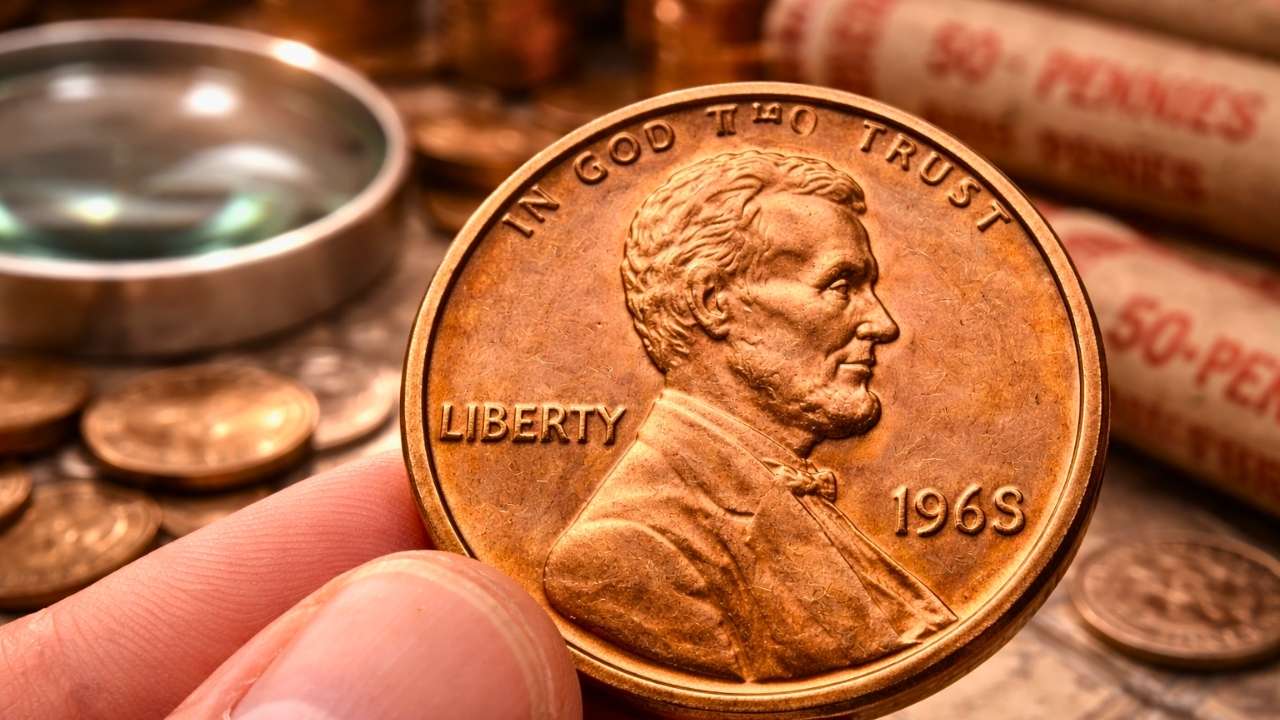
This 1969-S Doubled Die: At first glance, a 1969 penny looks no different from countless others minted during that era. Copper-toned, modest in size, and easy to overlook, it rarely commands attention. Yet among these ordinary coins exists a legendary variety that has fascinated collectors for decades. The 1969-S Doubled Die penny is considered one of the most dramatic and valuable error coins in American history. Some bold claims even suggest it could one day reach an astonishing $90 million at auction.
While that number is more fantasy than fact, the real story behind this rare coin is compelling enough. Its dramatic appearance, mysterious early discoveries, and record-setting sales have cemented its place as a modern numismatic icon.
What Is a Doubled Die Penny
A doubled die error occurs during the die creation process at the mint. When a coin die receives multiple misaligned impressions during hubbing, the design elements appear doubled on the coins it strikes.
This is not the same as machine doubling, which results from slight movement during the striking process. True doubled die coins show clear, distinct duplication of letters and numbers, often visible without magnification.
The 1969-S Doubled Die penny is one of the strongest examples of this phenomenon. The doubling is bold and unmistakable, especially in the inscriptions on the front of the coin.
The Dramatic Doubling
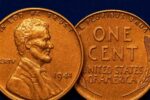
On a genuine 1969-S Doubled Die penny, the words “LIBERTY” and “IN GOD WE TRUST” appear dramatically doubled. The date also shows noticeable separation between the digits.
This doubling is sharp and well-defined, not blurry or flattened. The effect gives the lettering a shadow-like appearance, as though two impressions were stamped slightly off-center from one another.
Importantly, the mint mark “S” is not doubled. The mint mark was added separately to the die at that time, so it appears normal even on authentic examples.
This detail helps experts distinguish genuine doubled die coins from counterfeits or altered pieces.
A Troubled Beginning
When the first examples surfaced in the early 1970s, confusion followed. Some early finds were mistakenly believed to be counterfeit due to the dramatic doubling.
In fact, several genuine coins were reportedly seized by authorities under suspicion of forgery before experts confirmed their authenticity.
Once verified, the 1969-S Doubled Die penny quickly gained attention among collectors. Its bold appearance and limited number of known examples elevated it into the ranks of elite error coins.
How Rare Is It
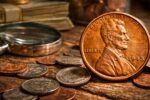
Only a small number of authentic 1969-S Doubled Die pennies are known to exist. Estimates vary, but fewer than one hundred confirmed examples have been documented.
Compared to the billions of Lincoln cents produced over the years, this is an incredibly small population.
Many of the known examples show signs of circulation, as they were discovered in pocket change before their significance was recognized. High-grade specimens are especially scarce.
The combination of dramatic visual appeal and genuine rarity drives intense demand whenever one becomes available for sale.
The Truth Behind the $90M Claim
Headlines suggesting a $90 million value are designed to spark excitement. In reality, confirmed auction sales for the 1969-S Doubled Die penny have reached into the hundreds of thousands of dollars, depending on condition.
Exceptional examples in near-perfect mint state have sold for well over $100,000. These figures are impressive for a one-cent coin but remain far from the multi-million-dollar range.
The idea of a $90 million valuation likely reflects a hypothetical scenario. If a previously unknown, flawless specimen surfaced and sparked a bidding war between elite collectors, the price could soar beyond expectations.
Still, no public sale has ever approached that level.
Why Condition Matters So Much
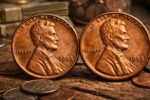
Condition is a major factor in determining value. A circulated example with wear and surface marks will command less than a sharply struck, uncirculated coin with vibrant luster.
Professional grading services evaluate these coins carefully, assigning numerical grades that reflect preservation quality.
A top-grade specimen often becomes the centerpiece of advanced Lincoln cent collections. Even slight differences in surface quality can mean tens of thousands of dollars in price variation.
Because most known examples were found in circulation, pristine pieces are especially coveted.
How to Identify a Genuine Example
If you come across a 1969-S penny, examine it carefully. Look for strong, clear doubling on “LIBERTY” and “IN GOD WE TRUST.” The doubling should be obvious and not resemble a simple shadow or blur.
Check that the mint mark “S” is present and not doubled. The absence of doubling on the mint mark is a key authentication detail.
Be cautious of counterfeits. Some altered coins attempt to mimic the doubling effect or modify other dates to resemble the rare variety.
If you suspect you have found a genuine example, do not clean it. Seek evaluation from a reputable coin dealer or professional grading service.
Could One Still Be Out There
Although most known examples have already been discovered, it is not impossible that others remain hidden in old collections or forgotten jars of change.
Because these coins entered circulation decades ago, they could have been stored away by individuals unaware of their value.
Stories of rare coin discoveries continue to inspire collectors to search through rolls of pennies and inherited collections.
The possibility of uncovering such a rarity adds excitement to the hobby.
A Modern Legend in Copper
The 1969-S Doubled Die penny stands as one of the most celebrated error coins of the twentieth century. Its bold doubling, limited numbers, and intriguing early history make it a standout among Lincoln cents.
While the $90 million claim may be exaggerated, the coin’s real-world value and legendary status are undeniable.
It serves as a reminder that even the smallest coins can carry extraordinary stories. A simple penny, often ignored or tossed aside, can become a prized treasure under the right circumstances.