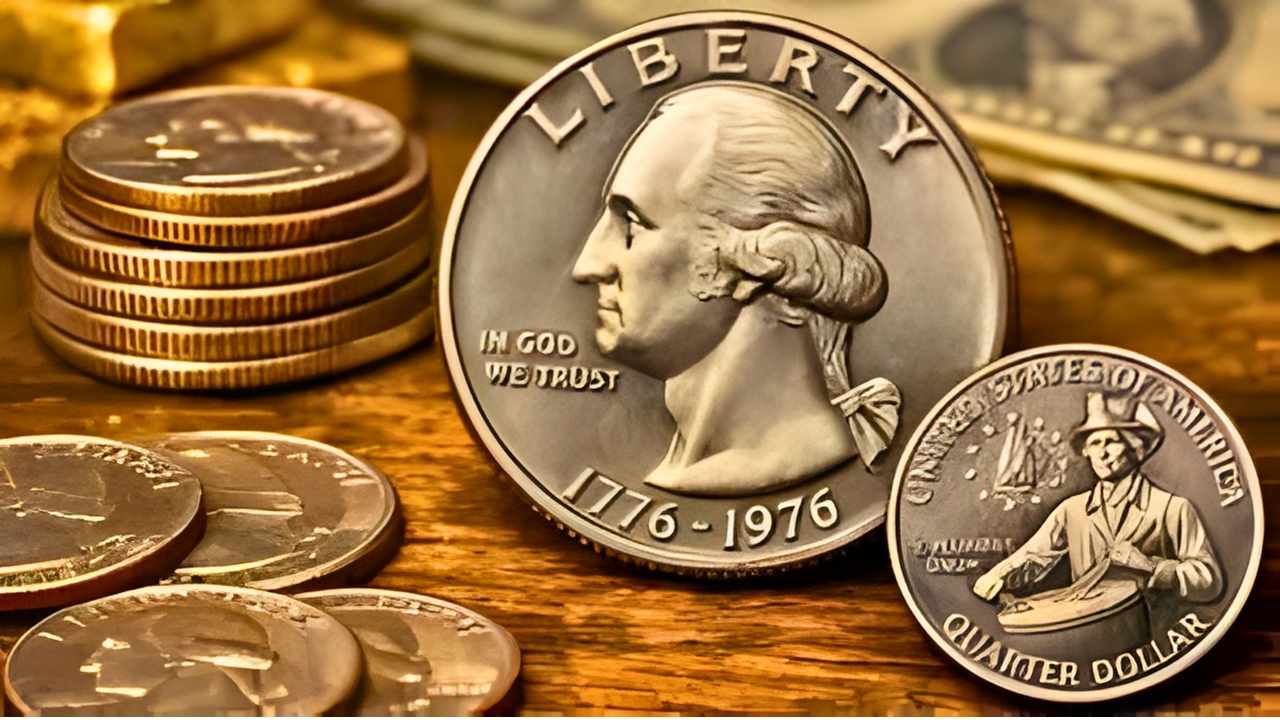
1776–1976 Bicentennial Quarter: The 1776–1976 Bicentennial Quarter is one of the most recognizable coins ever produced in the United States. Released to celebrate the 200th anniversary of American independence, it carries a special dual date and a unique reverse design that instantly sets it apart from ordinary quarters. For many Americans, this coin is more than pocket change. It is a reminder of a national milestone.
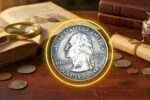
In 1975 and 1976, the U.S. Mint temporarily paused the standard reverse design of the Washington quarter. Instead of the familiar eagle, the back of the coin features a colonial drummer with a torch encircled by thirteen stars. The obverse still shows George Washington, but the date reads 1776–1976 rather than a single year.
Millions of these coins were struck, and most are still worth only face value. However, certain rare varieties and mint errors have turned some Bicentennial Quarters into highly desirable collector pieces.
The Story Behind the Design
The Bicentennial Quarter was part of a special three-coin program that also included a half dollar and a dollar coin. The reverse design of the quarter was created by Jack L. Ahr, whose depiction of a Revolutionary War drummer captured the patriotic spirit of the era.
The dual date 1776–1976 represents the nation’s founding and its bicentennial year. Although the coins were minted in 1975 and 1976, none bear the single date 1975. Every quarter from that two-year production period carries the commemorative dual date.
The coins were struck at the Philadelphia, Denver, and San Francisco Mints. Philadelphia and Denver versions were made primarily for circulation. San Francisco produced both proof coins and special 40 percent silver collector editions.
Understanding Mint Marks and Composition
Mint marks play a key role in determining potential value. Quarters without a mint mark were struck in Philadelphia. Coins with a D mint mark were produced in Denver. Those with an S mint mark came from San Francisco.
Most Bicentennial Quarters are composed of copper-nickel clad, which gives them the same metallic makeup as modern quarters. However, special collector sets from San Francisco included coins made with 40 percent silver. These silver versions are heavier and often have a brighter, more reflective appearance.
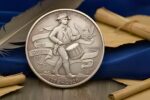
The silver varieties, especially in pristine condition, can command higher prices than standard clad coins. Still, condition remains the most important factor in determining value.
Rare Errors That Collectors Hunt For
While standard Bicentennial Quarters are common, certain mint errors make specific examples rare and valuable. Collectors are always searching for coins that show clear and dramatic production mistakes.
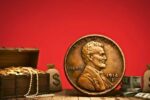
One of the most popular errors is the doubled die variety. In these coins, parts of the design appear slightly doubled due to a misalignment during the die creation process. Look closely at the lettering and numbers. If you see strong, distinct doubling rather than simple blurriness, you may have something special.
Off-center strikes are another sought-after error. These occur when the blank planchet is not properly aligned during the striking process. The result is a coin where part of the design is missing, and the image appears shifted.

Some Bicentennial Quarters were struck on the wrong planchet. For example, a quarter struck on a dime or foreign coin blank will look smaller or lighter than normal. These dramatic mistakes are rare and can bring significant premiums at auction.
Clipped planchets, where a portion of the coin is missing due to a cutting error, are also collectible. The missing section typically forms a smooth, curved shape.
The Value of High-Grade Coins
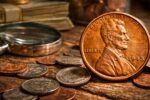
Condition is everything in coin collecting. Even without an obvious error, a Bicentennial Quarter in exceptional condition can be worth more than face value.
Coins are graded on a scale that measures wear and surface quality. Uncirculated coins that have never been used in daily transactions often display sharp details and original mint luster. Proof coins, especially those from San Francisco, have mirror-like surfaces and frosted designs.
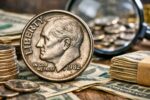
A regular circulated Bicentennial Quarter is typically worth 25 cents. However, a high-grade uncirculated coin may sell for several dollars. Silver proof versions can bring even higher prices depending on their condition and market demand.
Collectors often submit their best coins to professional grading services for authentication and evaluation. A top-graded example sealed in a protective holder can be far more appealing to buyers.

Common Myths and Misunderstandings
Because of online rumors and exaggerated headlines, many people believe all Bicentennial Quarters are worth hundreds or even thousands of dollars. In reality, the vast majority are extremely common.
More than 1.6 billion Bicentennial Quarters were minted across all facilities. This large production number means most examples are readily available.
Value depends on rarity, condition, and demand. A coin must stand out in some way to attract serious collector interest. Either it needs to be in nearly perfect condition, made of silver, or display a genuine mint error.
Careful research and comparison are important before assuming a coin has extraordinary value.
How to Check Your Bicentennial Quarter
If you have a 1776–1976 Bicentennial Quarter, start by examining the mint mark. Look just below Washington’s ponytail on the obverse side. Identify whether it is blank, D, or S.
Next, inspect the coin under good lighting. Use a magnifying glass to look for doubling in the lettering, unusual shapes, or striking abnormalities.
Weighing the coin can also help. Silver versions weigh slightly more than standard clad quarters. If you suspect your coin may be silver, compare it to a regular quarter from a different year.
Finally, consider the overall condition. Are the details sharp? Is there heavy wear? Does the coin still shine? These factors all influence potential value.
Why the Bicentennial Quarter Remains Popular
Even though most examples are not rare, the Bicentennial Quarter holds lasting appeal. It represents a significant historical celebration and features a design that stands out in American coinage.
For many collectors, it serves as an entry point into the hobby. It is easy to find, affordable, and historically meaningful.
The excitement comes from the possibility that a hidden error or silver variety might still be sitting unnoticed in a coin jar or pocket. That sense of discovery keeps interest alive decades after its release.
In the end, the 1776–1976 Bicentennial Quarter is more than just currency. It is a small piece of American history that continues to spark curiosity, conversation, and the thrill of the hunt.